
Keyword research is a crucial part of SEO. Finding quality keywords is one of the best ways to create quality content for your site. But finding these keywords manually is near impossible, so we've compiled a list of 6 of the best free and paid keyword research tools available to help you level up your content strategy.
Keyword research consists of discovering new keywords related to your niche or industry, so that you can create content and organize your site into consistent content silos. And more easily cover a niche in its entirety.
Following such an approach can help your site build authority and get more traffic from Google. But when dealing with thousands of keywords, manually researching them can be difficult if not impossible. Fortunately, there are a few tools that you can use to make that process much easier. We've compared 6 free and paid SEO keyword research tools to make this list. These are the 6 best keyword research tools we tested.
Keyword research tools help you understand what your audience is searching for, how competitive those terms are, and where the best opportunities lie. Without these tools, you're essentially guessing which topics to write about and which search queries to target.
The right keyword research tool can help you discover new content ideas, evaluate search volume and difficulty, analyze competitor strategies, and ultimately drive more targeted organic traffic to your site. Whether you're a solo blogger or managing enterprise SEO, these tools are essential for building a data-driven content strategy.
Below, we review 6 of the best keyword research tools available today, covering everything from free options like Google Keyword Planner to comprehensive paid suites like Ahrefs and SEMrush, plus specialized tools like Optiwing's keyword grouping tool that takes your keyword research to the next level.
The best free keyword research tool is Google's very own Google Keyword Planner. It uses Google's own data to provide the user with a list of semantically related keywords to one or multiple target keywords.
Developed by Google, this platform empowers marketers, content creators, and SEO professionals to discover high-impact keywords, analyze search trends, and optimize their website content for maximum visibility. With its comprehensive data on search volumes, competition, and cost-per-click (CPC) estimates, the Keyword Planner enables users to make informed decisions when building keyword lists for both organic search and paid advertising strategies.
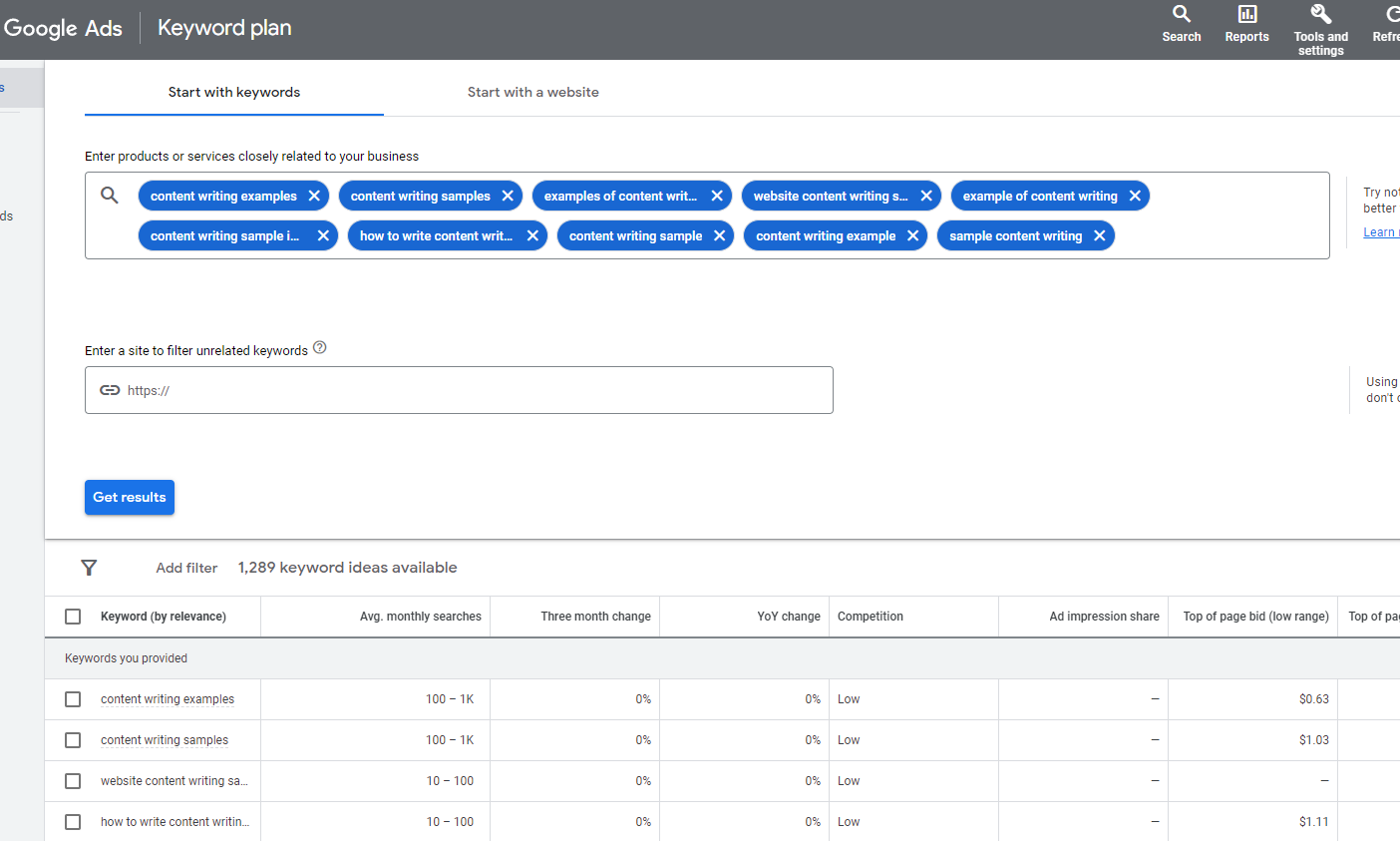
As an essential component of Google Ads, this invaluable tool not only provides insights into current and historical keyword performance, but also forecasts future trends, ensuring you stay ahead of the competition and drive targeted traffic to your online presence.
The data it provides is not as in depth or accurate as some of the other tools we'll be taking a look at, but straight from the search engine giant themselves it's hard to go wrong.
Google Search Console is a versatile suite of tools designed to help website owners, marketers, and SEO professionals monitor their website's performance in Google search results.
When used in conjunction with Google Keyword Planner, Search Console becomes an even more potent resource, enabling users to develop a comprehensive understanding of their website's search engine optimization and keyword targeting efforts. See how to use them together to do keyword research in our guide here.
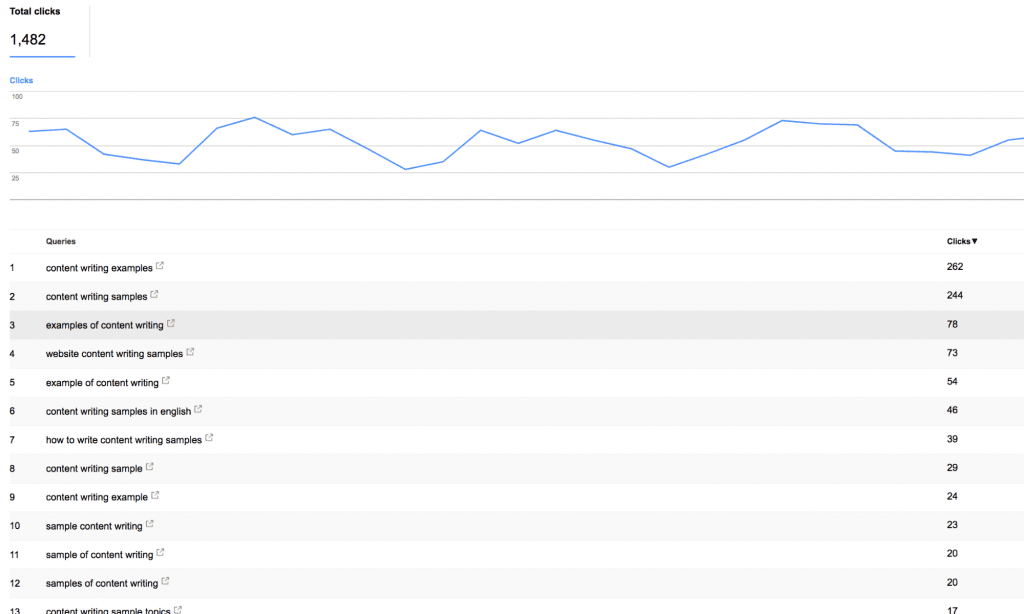
By analyzing data from Search Console, such as impressions, clicks, and click-through rates (CTRs) for specific keywords, and using these keywords as seeds in Google Keyword Planner (or any other keyword research tool listed), you can target keywords that are already generating clicks and leads for your website. This synergy between the two tools ensures that businesses stay competitive and maintain a strong digital footprint.
Found your seed keywords? Use Optiwing's Keyword Discovery Tool to uncover hundreds of related keyword opportunities, then group them into clusters automatically. 100 free credits on signup.
Ahrefs is a comprehensive SEO and digital marketing platform renowned for its robust keyword research tools, designed to help businesses optimize their online presence and outrank their competitors.
By leveraging Ahrefs' extensive database of over 10 billion keywords, marketers, content creators, and SEO professionals can uncover valuable keyword opportunities, evaluate search volumes, and analyze keyword difficulty scores to make informed decisions when crafting their content and targeting strategies.
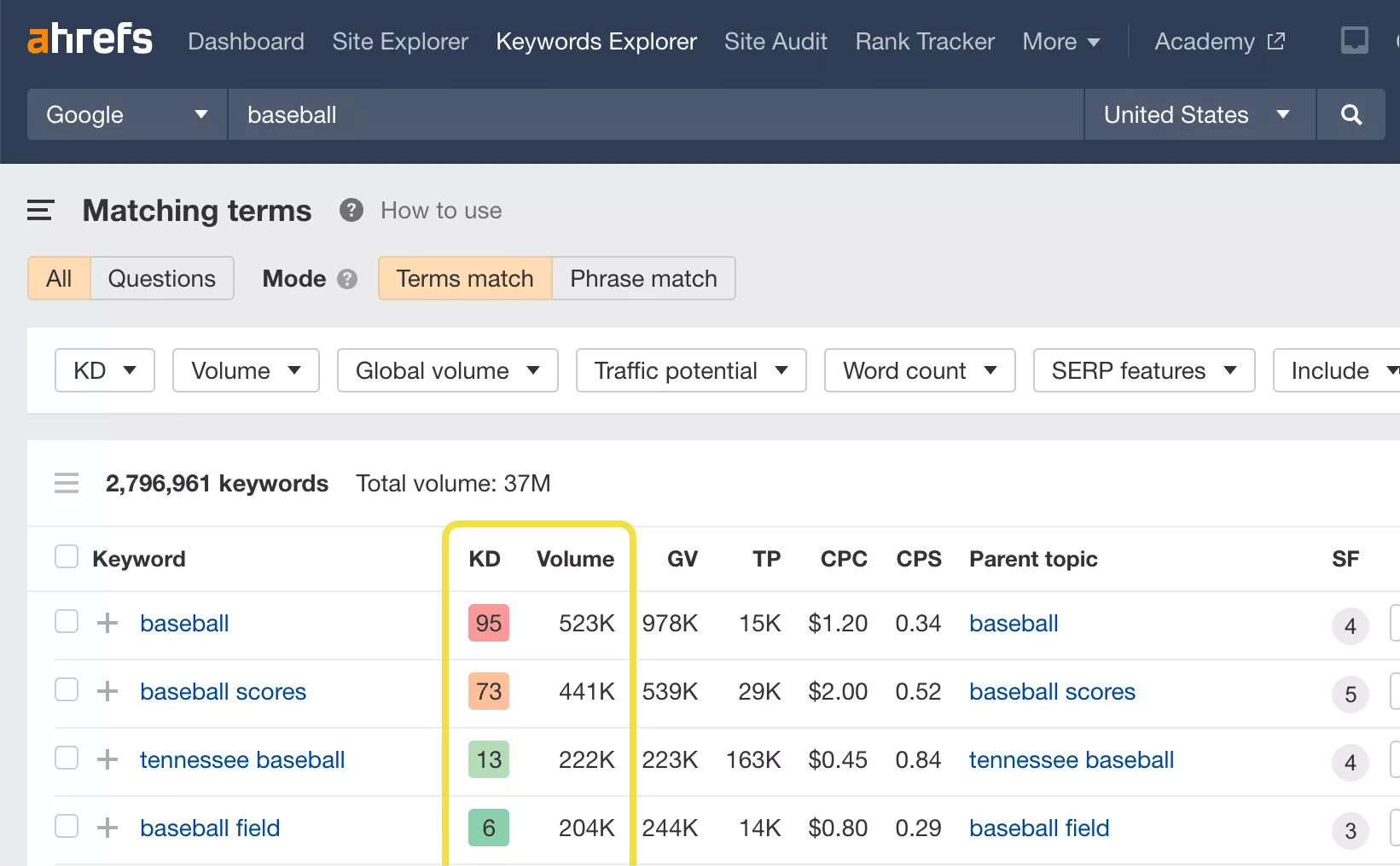
The platform's intuitive interface and advanced filtering options allow users to pinpoint long-tail keywords, identify high-traffic search queries, and discover untapped niches with lower competition. In addition, Ahrefs provides crucial insights into backlink profiles, SERP analysis, and competitor keyword data, empowering users to refine their SEO strategies and maximize their website's organic search visibility.
With its data-driven approach and user-friendly design, Ahrefs stands as a formidable ally in the ever-evolving world of digital marketing. Pricing starts at $99 for their Lite plan.
Another formidable and comprehensive digital marketing suite that offers an impressive array of keyword research tools, designed to help businesses enhance their online presence and stay ahead in the competitive digital landscape.
SEMrush's keyword research capabilities empower marketers, content creators, and SEO professionals to uncover profitable keyword opportunities, assess search volumes, and determine keyword difficulty to develop targeted content and advertising strategies.
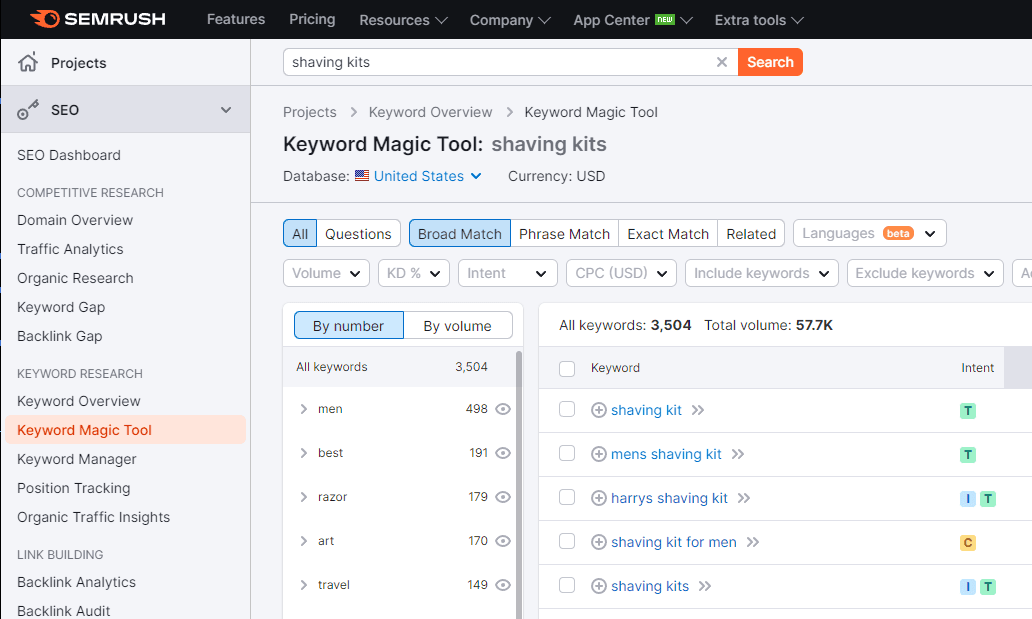
The platform's versatile functionality allows users to explore long-tail keywords, analyze SERP features, and gain insights into competitor keyword usage, ensuring a well-rounded approach to SEO and content marketing.
SEMrush's Keyword Magic Tool simplifies the keyword discovery process by generating millions of keyword suggestions based on a single seed keyword, providing users with a wealth of options to optimize their campaigns. By integrating SEMrush's keyword research tools into their digital marketing arsenal, users can effectively improve their website's organic search performance and drive targeted traffic.
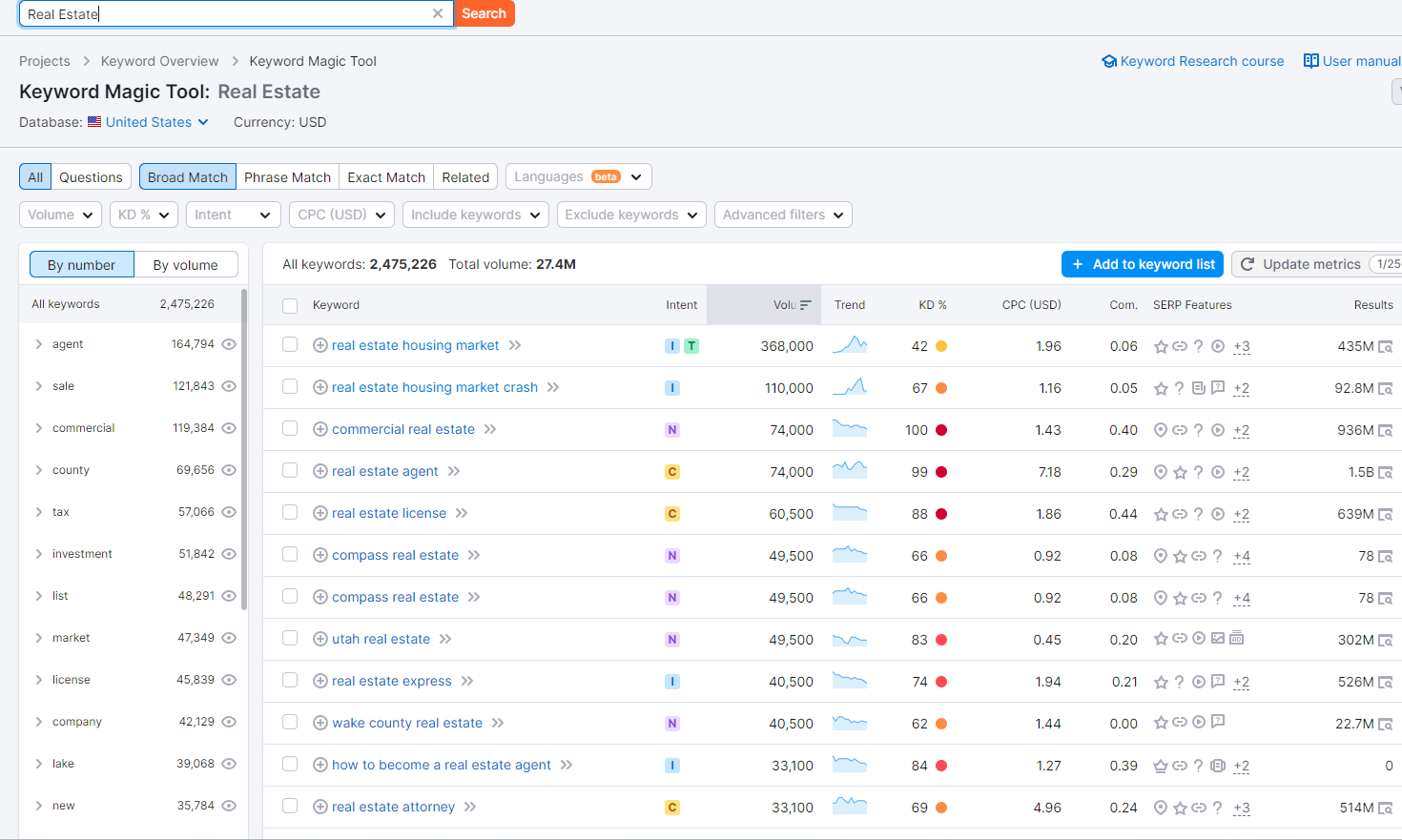
SE Ranking is another all-in-one SEO software similar to Ahrefs and SEMrush, tailored to assist businesses in optimizing their online presence and outperforming their competitors.
With SE Ranking's keyword research capabilities, marketers, content creators, and SEO professionals can effortlessly identify profitable keyword opportunities, examine search volumes, and evaluate keyword difficulty to make informed decisions when developing content and targeting strategies.

The platform's advanced filtering options and user-friendly interface enable users to discover long-tail keywords, uncover high-traffic search queries, and pinpoint low-competition niches. Moreover, SE Ranking provides valuable insights into competitor keyword data, backlink profiles, and SERP analysis, allowing users to fine-tune their SEO and content marketing efforts.
Pricing for a full SE Ranking subscription starts at $49 per month, with additional pay-as-you-go research tools available.
Use Optiwing's Search Volume Checker and SERP Checker to validate your keyword picks with real-time data. No subscription required.
Optiwing is a comprehensive SEO toolkit that goes beyond basic keyword research. Its Keyword Grouping Tool can be used in conjunction with any other keyword research tool listed to create topical clusters of keywords that can then be targeted with individual articles. It uses real-time SERP data to cluster keywords into groups based on the frequency of the same pages appearing in the top 10 results, preventing keyword cannibalization and helping you rank for more keywords.
But Optiwing isn't just a grouping tool. It also includes a Keyword Discovery Tool, SERP Checker, SERP Similarity Tool, Search Volume Checker, AI Content Brief, AI Blogpost Writer, and a Schema Helper — making it a full SEO workflow solution.
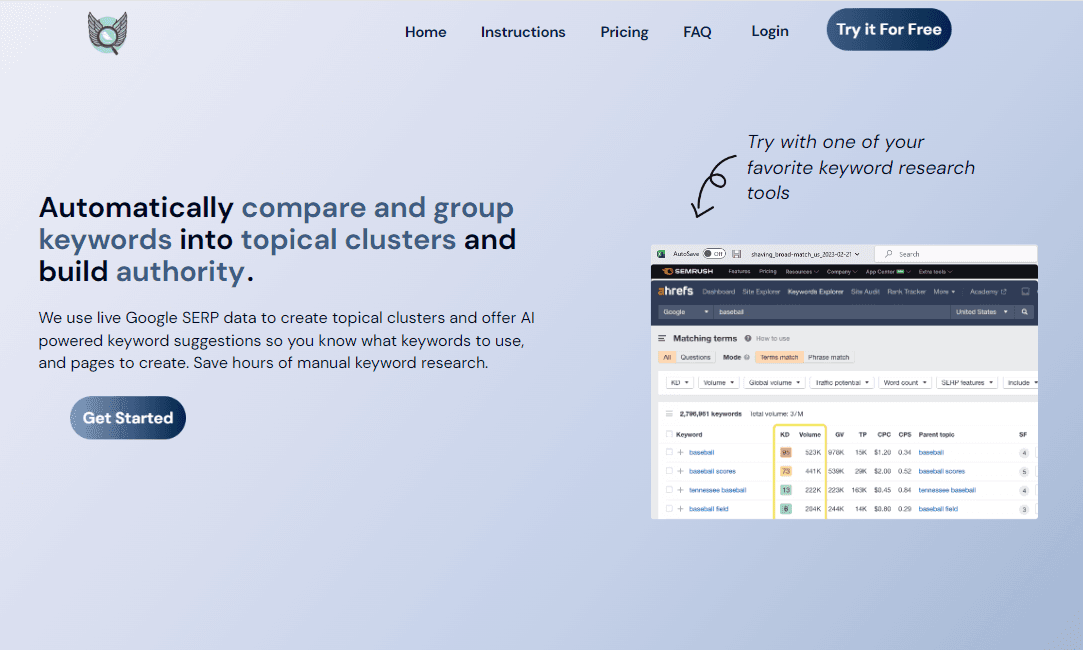
Put simply, if 3 or more of the same pages rank for a collection of keywords, then these keywords are grouped together. Optiwing makes the reasonable assumption that if 3 or more of the same pages can rank for a series of keywords, then you likely only need one page to target these keywords.
The tool works with keyword reports from Ahrefs, SEMrush, and Google Keyword Planner, or you can upload a custom keyword file (for example, one made from Google Search Console data).

We uploaded 1,000 keywords from a SEMrush export file on the topic of "Antique Furniture". The results are available as soon as the job is completed in the browser which makes them very easy to scan, and they're also available to download as a CSV (Microsoft Excel) file.
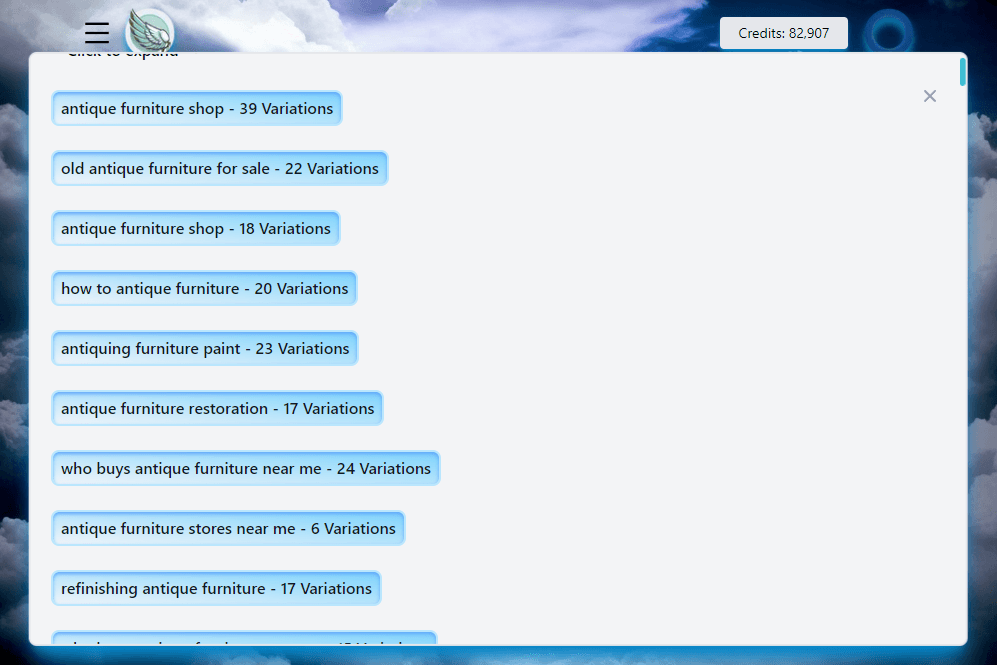
The Optiwing dashboard is really intuitive to use, and since it uses real Google search results you can group keywords by device (mobile, desktop), geolocation, and use any language.
The tool took about 2 and a half minutes to group the 1,000 keywords, which is quite fast considering that it uses real-time Google SERP data. As you can see, it gives tight and accurate clusters of keywords around a topic based on the search results.
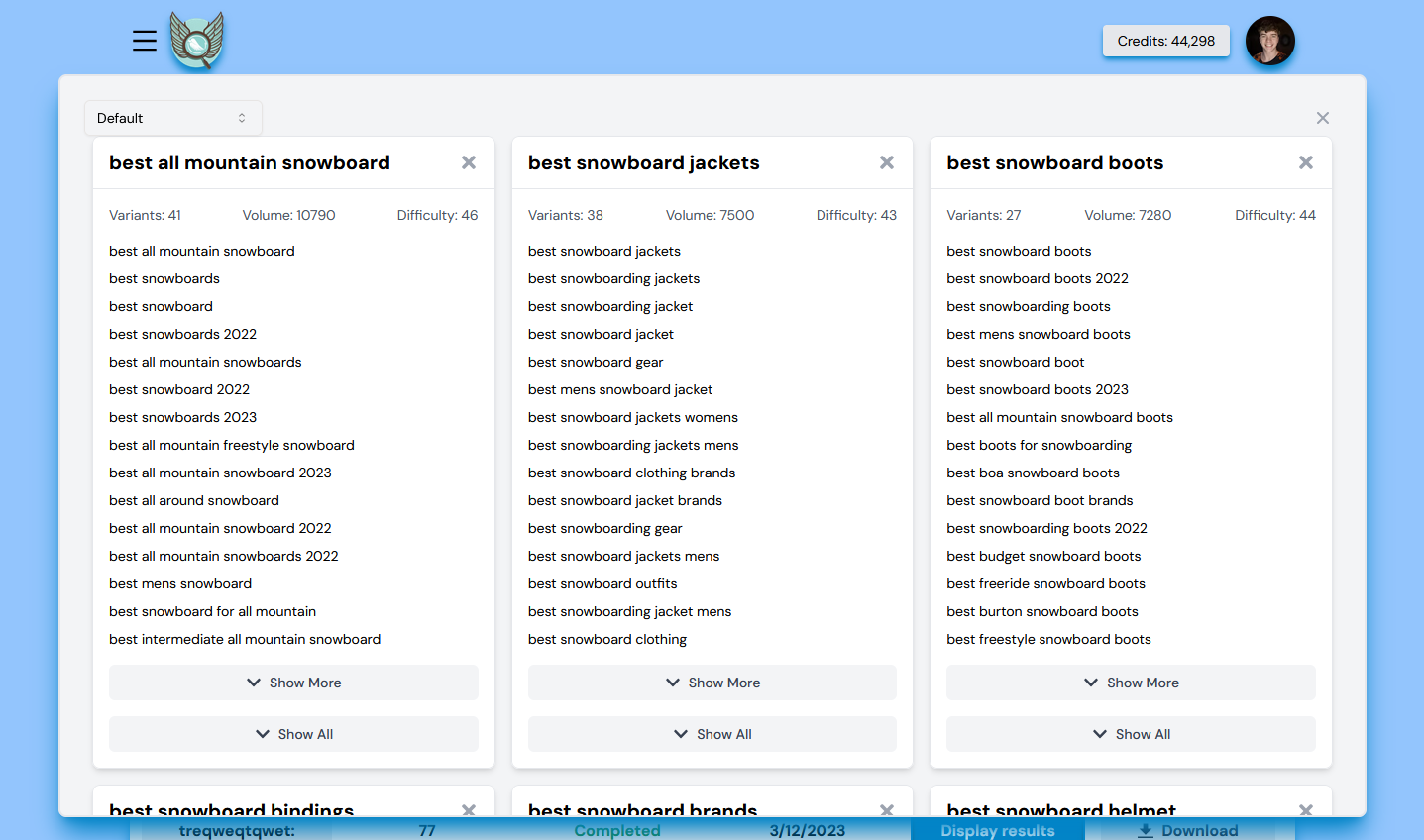
In terms of pricing, you get 100 free credits when you sign up to Optiwing, no credit card entry required. Pricing starts at $4.42 per 1,000 keywords on a pay-as-you-go (PAYG) basis. Purchased credits never expire and no subscription is required, so no wasted money at the end of the month.
With the rapid pace that AI is improving, another free keyword research tool to consider is ChatGPT. By leveraging ChatGPT's natural language processing capabilities, marketers, content creators, and SEO professionals can generate keyword suggestions, explore related search queries, and uncover long-tail keyword opportunities through interactive and context-driven conversations.
While ChatGPT may not provide the same level of data-driven insights as dedicated SEO platforms, it can be an invaluable resource when brainstorming ideas and exploring creative keyword options.
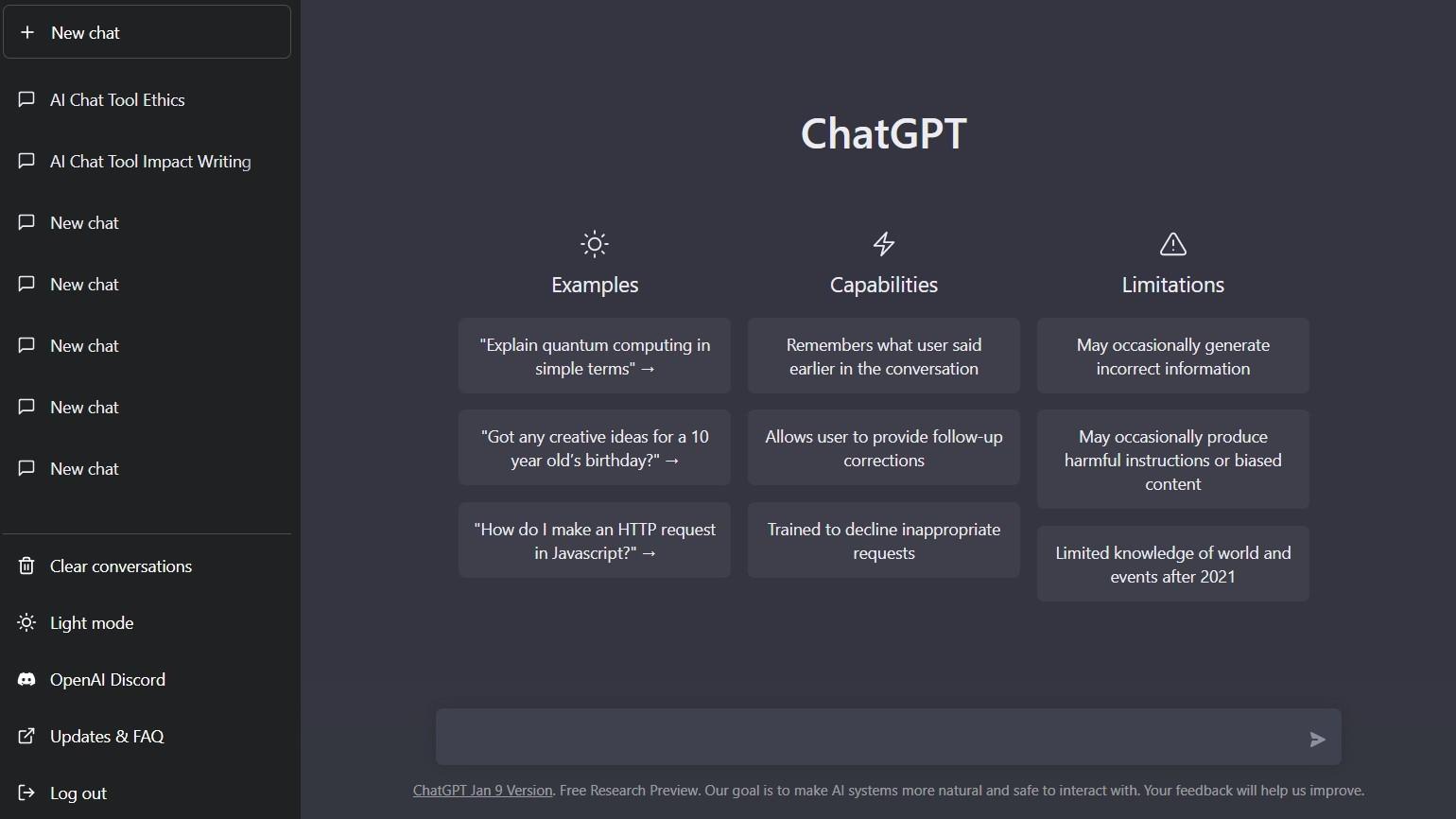
Additionally, ChatGPT can assist users in crafting optimized content by offering recommendations on keyword placement, density, and relevance. Incorporating ChatGPT into your keyword research toolkit allows for a more organic and conversational approach to the process, empowering users to discover unique keyword opportunities and optimize their online presence.
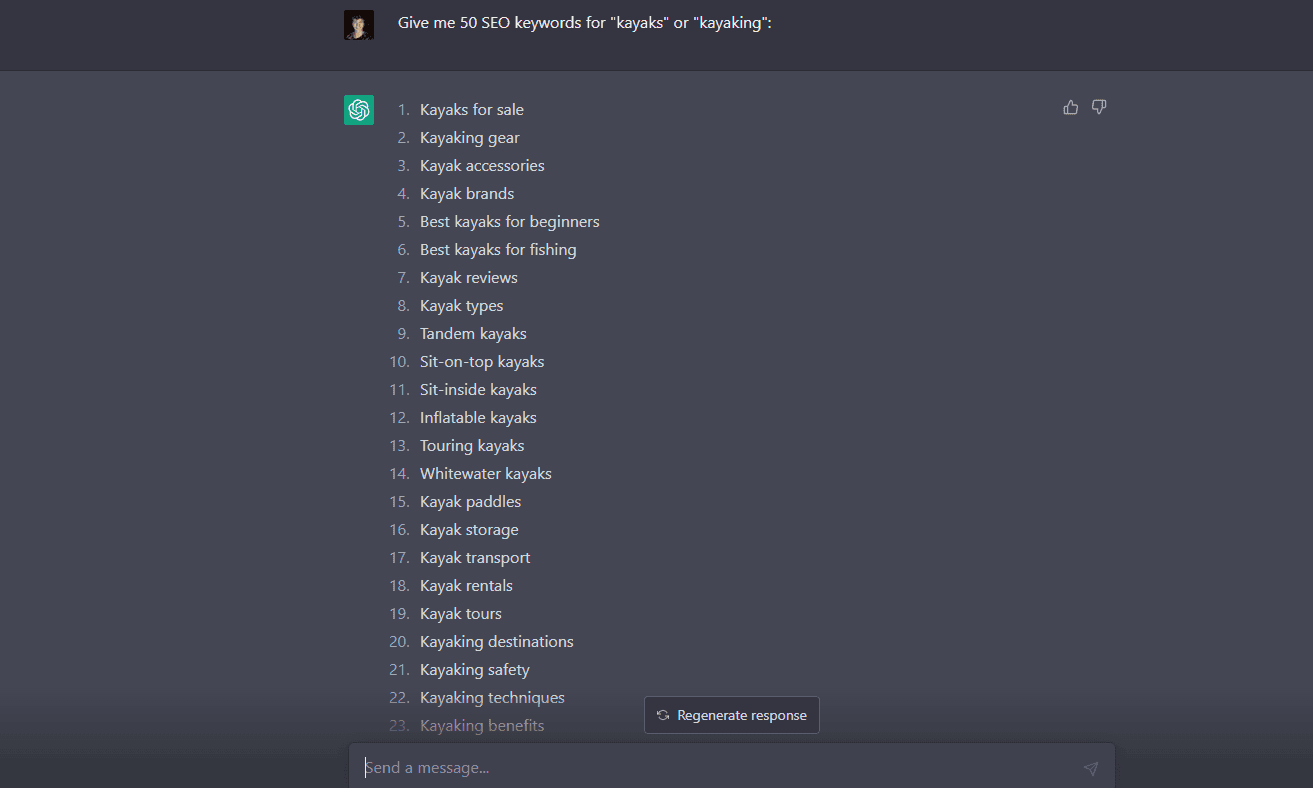
For the best results, pair ChatGPT's creative ideation with a data-driven tool. Use ChatGPT to brainstorm keyword ideas, then validate them using Optiwing's Search Volume Checker and SERP Checker to confirm search volume and competition levels before committing to a content strategy.
| Tool | Pricing | Best For | Data Source |
|---|---|---|---|
| Google Keyword Planner | Free | PPC & basic SEO research | Google Ads data |
| Google Search Console | Free | Existing site performance | Google Search data |
| Ahrefs | From $99/mo | Backlinks & competitive analysis | Proprietary crawler |
| SEMrush | From $119.95/mo | Full marketing suite | Proprietary data |
| SE Ranking | From $49/mo | Budget-friendly all-in-one | Proprietary data |
| Optiwing OUR PICK | PAYG from $4.42/1k KWs | Keyword grouping & SEO workflow | Live Google SERP data |
| ChatGPT | Free / $20/mo | Brainstorming & ideation | AI-generated |
Sign up for Optiwing and get 100 free credits to try the full SEO toolkit — keyword grouping, SERP checking, search volume analysis, AI content briefs, and more. No credit card required, no subscription.
Keyword research is the process of finding search terms that people commonly enter into search engines. It allows you to determine the popularity of specific search terms, evaluate how hard it is to rank for them, and discover new keywords to inspire your content strategy. Understanding what your target audience searches for helps you create content that matches their intent and ranks well in Google. This is especially important given Google's Helpful Content Update, which prioritizes content that genuinely helps users.
Google Keyword Planner is widely considered the best free keyword research tool because it uses Google's own data. When combined with Google Search Console, which shows you the keywords your site already ranks for, you get a powerful free research setup. For AI-assisted brainstorming, ChatGPT is also a useful free option for generating keyword ideas, though it lacks real search volume data. For verifying search volumes, you can use Optiwing's Search Volume Checker.
Start by brainstorming seed keywords related to your niche, then use a keyword research tool (like Google Keyword Planner, Ahrefs, or SEMrush) to discover related keywords with search volume data. Filter for keywords that have good search volume but manageable competition. Then, group your keywords into topical clusters using a tool like Optiwing's Keyword Grouper to plan your content structure. Read our full guide on how to do keyword research for a step-by-step walkthrough.
Keyword grouping (or clustering) is an SEO technique that groups semantically-related keywords together so you can organize your site into consistent content silos. It prevents keyword cannibalization (where multiple pages compete for the same keyword), helps you structure your content strategy, and generates insights on keyword search intent. Rather than writing an article for every single keyword, you target a cluster of related keywords with one optimized page. Learn more in our complete guide to keyword grouping.
Prices vary widely. Google Keyword Planner, Google Search Console, and ChatGPT are free. Premium all-in-one suites like Ahrefs start at $99/month and SEMrush at $119.95/month. SE Ranking offers a more affordable option from $49/month. Optiwing takes a different approach with pay-as-you-go pricing starting at $4.42 per 1,000 keywords with no monthly subscription — you only pay for what you use, and credits never expire.
Absolutely, and we recommend it. A common workflow is to use Google Keyword Planner or SEMrush for initial keyword discovery, then export those keywords into Optiwing's Keyword Grouper to organize them into topical clusters. You can also use Optiwing's Keyword Discovery Tool to find additional related keywords, then validate your choices with the SERP Checker and Search Volume Checker. Combining tools gives you the most comprehensive view of your keyword landscape.